Get Drywall Patching
Drywall patching services help property owners repair holes, cracks, and water damage in walls and ceilings through experienced local contractors.
Drywall patching services are a practical solution for property owners looking to repair or improve interior spaces. Whether addressing minor dents, holes, or larger areas of damage, professional drywall patching ensures a smooth, seamless finish that can enhance the appearance and integrity of a property. Exploring local contractors who specialize in drywall repair can help property owners compare options and find solutions tailored to their specific needs, making it easier to plan upcoming projects with confidence.
For those managing renovations, maintenance, or updates, connecting with experienced service providers in the area can streamline the process of restoring walls and ceilings. Local drywall patching experts are equipped to handle a variety of repair tasks efficiently, helping property owners maintain their spaces and prevent further damage. Continuing to explore available options ensures that the right professionals are chosen to meet the demands of each project.
- Holes and cracks in drywall - homeowners may need drywall patching services to repair damage caused by accidents or settling.
- Water damage repairs - property owners often require drywall patching after leaks or flooding have compromised wall surfaces.
- Old or deteriorated drywall - buildings with aging or damaged drywall may need patching to improve appearance and structural integrity.
- Remodeling and renovations - during interior updates, drywall patching is needed to prepare walls for new finishes or fixtures.
- Cracks from structural shifts - contractors are called upon to address drywall cracks resulting from foundation movement or settling.
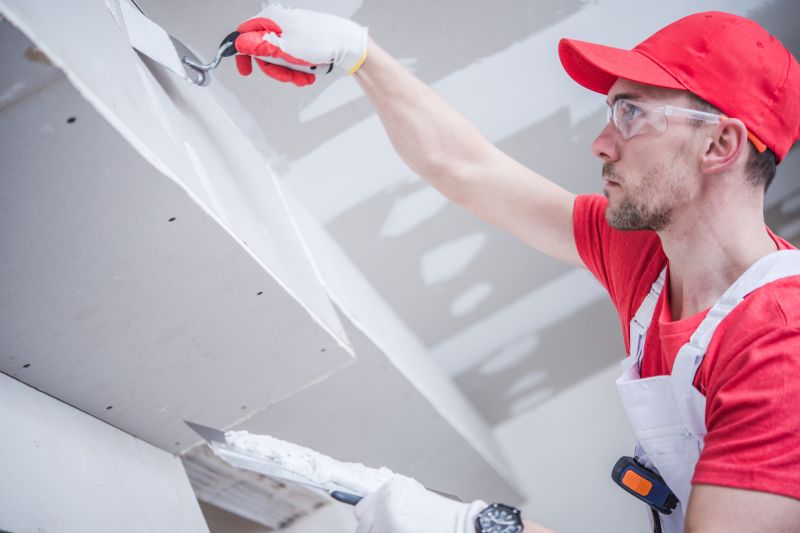
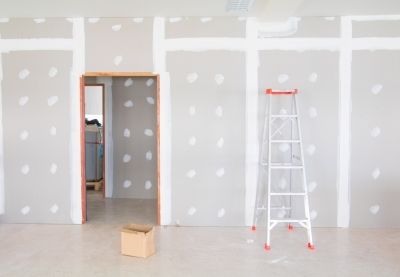
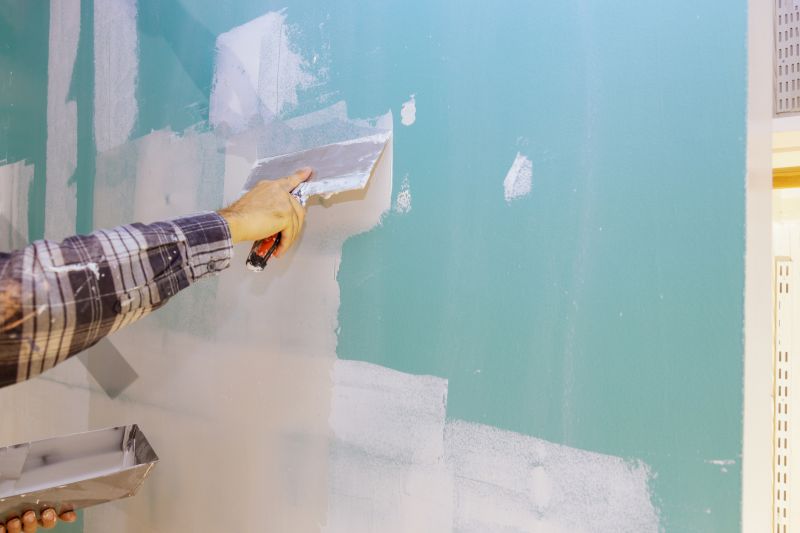
Drywall patching services involve repairing damaged or compromised sections of interior walls and ceilings to restore a smooth, seamless surface. This process typically includes removing any loose or cracked drywall, applying new drywall material, and then sanding and finishing the surface to match the surrounding area. The goal is to create a clean, even appearance that blends seamlessly with existing drywall, making it an ideal solution for minor to moderate wall imperfections.
These services help address a variety of common problems, such as holes from doorknobs or furniture, cracks caused by settling or impacts, water damage, or previous repairs that have become unsightly over time. Patching drywall not only improves the aesthetic appeal of a space but also prevents issues like further deterioration or pest intrusion. Whether it's a small hole from a picture frame or larger damage from an accident, professional drywall patching ensures the repair is durable and visually unobtrusive.
Drywall patching is frequently needed in residential properties, including single-family homes, apartments, and condominiums. Commercial buildings, such as offices and retail spaces, also require drywall repairs to maintain a professional appearance and ensure safety. Property owners and managers often seek these services after remodeling projects, or when addressing damage caused by everyday wear and tear, accidents, or weather-related incidents. The versatility of drywall patching makes it a common solution across a wide range of property types.
Homeowners often turn to drywall patching services to quickly and effectively repair walls before painting or redecorating. It’s also a practical choice for fixing damage caused by children, pets, or minor collisions. Property managers and landlords may use drywall patching to keep rental units in good condition between tenants. By connecting with local contractors who specialize in drywall repair, property owners can ensure the work is handled efficiently, helping to maintain the appearance and integrity of their spaces.
The overview below groups typical Drywall Patching projects into broad ranges so you can see how smaller, mid-sized, and larger jobs often compare in your area.
In many markets, a large share of routine jobs stays in the lower and middle ranges, while only a smaller percentage of projects moves into the highest bands when the work is more complex or site conditions are harder than average.
Smaller Repairs - Most minor drywall patching jobs typically cost between $100 and $300. These projects often involve small holes or cracks and are completed quickly by local contractors. Many routine repairs fall within this affordable range.
Moderate Patching - Larger patches or multiple repairs usually range from $300 to $800. Projects of this size may include repairing larger holes or water damage and are common for homeowners updating rooms or fixing extensive damage.
Complex Projects - More involved drywall patching, such as repairing large sections or multiple areas, can cost between $800 and $2,500. These projects are less frequent but are handled regularly by experienced local service providers.
Full Wall or Replacement - Full drywall replacement or extensive patching projects can exceed $2,500 and may reach $5,000+ for large, complex jobs. Such projects are less common but are handled by specialists for major renovations or extensive damage repair.
Actual totals will depend on details like access to the work area, the scope of the project, and the materials selected, so use these as general starting points rather than exact figures.
Ceiling Repair and Texture - Local contractors skilled in drywall patching often handle ceiling repairs, including fixing cracks, holes, and applying textures to match existing finishes.
Wall Repair and Restoration - Professionals experienced in drywall patching can efficiently repair holes, dents, and damage to interior walls for a seamless appearance.
Soundproofing Installations - Installing soundproofing materials often involves drywall modifications and patching to ensure proper insulation and finish.
Fire Damage Repair - Fire damage restoration frequently requires drywall replacement and patching to restore the integrity and appearance of affected areas.
Water Damage Restoration - Addressing water damage involves removing and replacing compromised drywall sections, requiring similar patching skills.
Interior Wall Finishing - Finishing newly installed or repaired interior walls often involves drywall taping, mudding, and sanding to achieve a smooth surface.
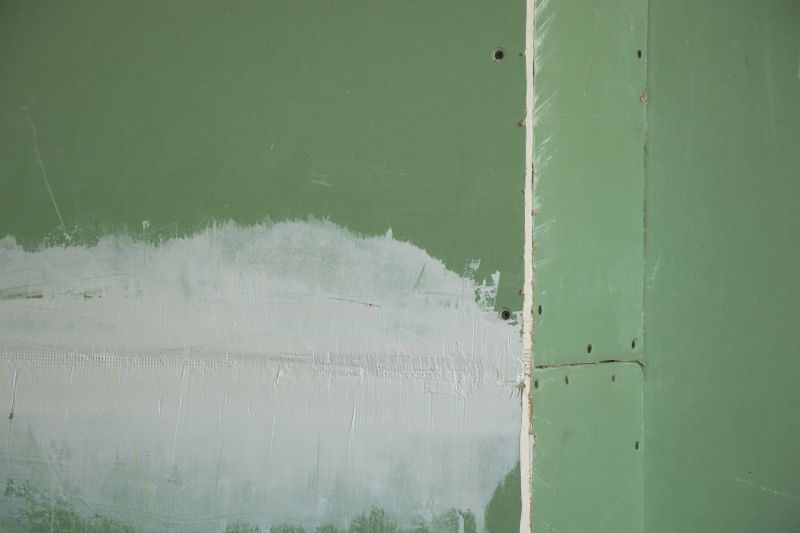
When comparing drywall patching services, it’s important to consider the experience of local contractors with similar projects. Homeowners should look for service providers who have a proven track record of handling drywall repairs comparable to their needs. A contractor’s familiarity with patching techniques, surface matching, and finishing details can influence the overall quality of the repair. Asking for examples of past work or references related to drywall patching can provide insight into their expertise and help ensure the chosen professional is well-equipped to deliver satisfactory results.
Clear written expectations are a vital part of selecting a reliable drywall patching service. Homeowners should seek out providers who communicate their process, scope of work, and any potential limitations in a transparent manner. Having a detailed understanding of what the project entails helps prevent misunderstandings and ensures that both parties are aligned on the desired outcome. Service providers who articulate their approach clearly and provide written estimates or descriptions can make the decision-making process more straightforward and reduce the likelihood of surprises.
Good communication and reputable references are key indicators of a trustworthy drywall patching contractor. Homeowners are encouraged to ask for references or reviews from previous clients to gauge the level of professionalism and quality of work. An approachable, responsive service provider who listens to specific concerns and provides prompt, clear responses is more likely to deliver a positive experience. Remember, the site serves as a resource to connect homeowners with local options, not to perform the work itself, so taking the time to evaluate these qualities can help find a dependable professional suited to the project.
Property owners use Drywall Patching services for practical projects around their homes and businesses. This guide focuses on everyday jobs and straightforward project options.
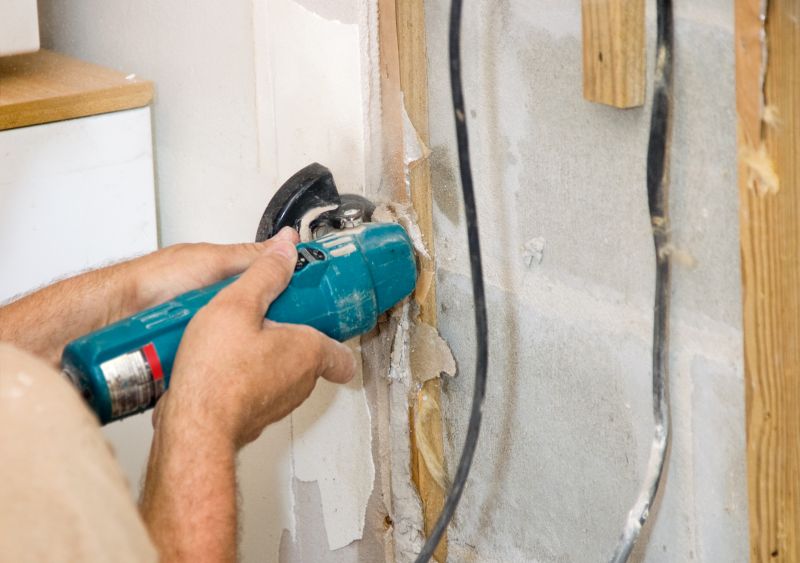
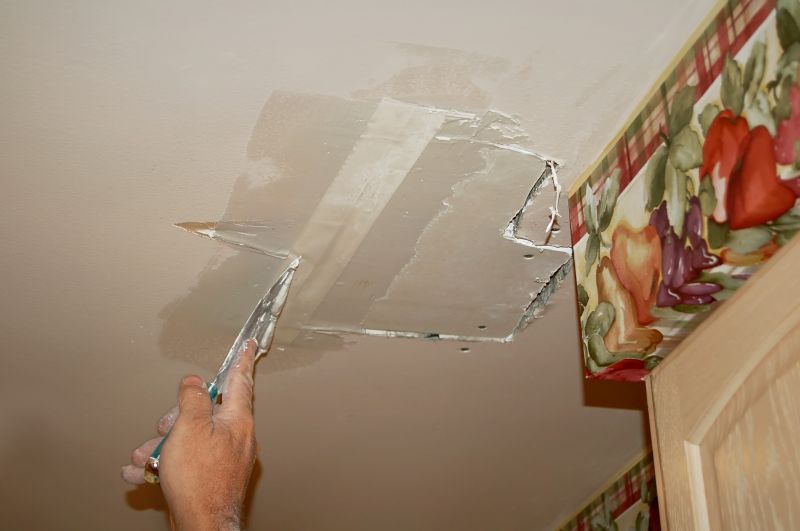
Drywall patching services are commonly sought after for everyday situations such as minor holes, dents, or cracks that occur from everyday activities, accidental impacts, or furniture movement. Property owners may need these repairs to maintain the appearance of their walls or to prepare a space for new occupants. Local contractors who specialize in drywall patching can handle a variety of small-scale repairs, helping to restore walls quickly and efficiently without the need for extensive renovation work.
Additionally, property owners often look for drywall patching when preparing their homes or businesses for inspections, or after repairs to plumbing or electrical systems that have caused damage to wall surfaces. Whether addressing damage from everyday wear and tear or fixing recent accidental damages, local service providers can provide the expertise needed to seamlessly repair drywall and keep interior spaces looking their best.
What types of drywall damage can be repaired with patching? Drywall patching services can address holes, cracks, dents, and water damage to restore wall surfaces effectively.
Is drywall patching suitable for large holes? Yes, professional drywall patching can handle both small and large holes, often involving patching and reinforcement for seamless results.
Can drywall patching be done to match existing wall textures? Many service providers can match textures and finishes to ensure the repaired area blends seamlessly with the surrounding wall.
What preparation is needed before drywall patching? Typically, the area should be clear of furniture and loose debris; professionals handle the preparation and repair process.
How do contractors ensure the patched area looks smooth and even? Experienced drywall repair specialists use sanding, finishing, and painting techniques to achieve a smooth, uniform surface.
Patch Small Holes and Cracks - Repair minor damages caused by nails, screws, or everyday impacts to maintain a clean appearance.
Prepare Walls for Painting - Smooth out imperfections before applying a fresh coat of paint for a professional finish.
Fix Water or Mold Damage - Address areas affected by leaks or moisture to prevent further deterioration and improve indoor air quality.
Restore Damaged Drywall in Renovation Projects - Make necessary repairs during remodeling to ensure walls are even and ready for finishing.
If you are thinking about Drywall Patching for a property, this guide is meant to help you understand the work, the typical project types, and how different options might fit your plans.
When you are ready, you can use the quote form on this page to share a few details about your project. From there, local pros can review the basics and respond with options that match what you have in mind.